
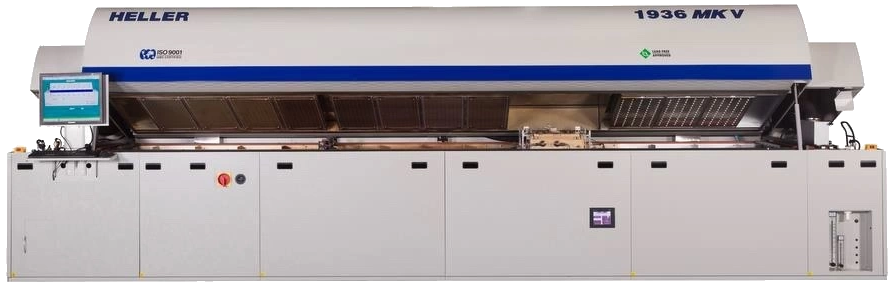
Vacuum reflow ovenMK5 Series
Continuous-conveyor vacuum reflow for void-free needs.
- Void rate <1%
- N₂ −50% / 10 ppm
- No temperature drop
- Spatter control
Heller Industries forced-convection vacuum reflow. A peak-zone vacuum module achieves void rates under 1% on many parts (up to 99% removal). N₂ use is about 50% lower than conventional, with low oxygen. Built for high-reliability assembly such as ADAS, SiC/GaN power devices, power modules, and LED headlights.
Overview
For high-reliability assembly
ADAS, power devices, LED headlights
As interconnects shrink, joint area shrinks and void-rate criteria rise for power semiconductors.
With high-temperature solders also spreading, void control is essential for thermal diffusion and vibration resistance at the joint.
Effective for bare die and solid underfills on insulating substrates, power modules, SMT boards, and electronic modules.


Void removal process
Void rate under 1% on many parts; up to 99% removal
In conventional reflow, gas generated during melt remains until the joint solidifies.
Vacuum reflow preheats in N₂, then reduces pressure while solder is liquid at peak temperature to release bubbles.
Supports both paste and preform solder.

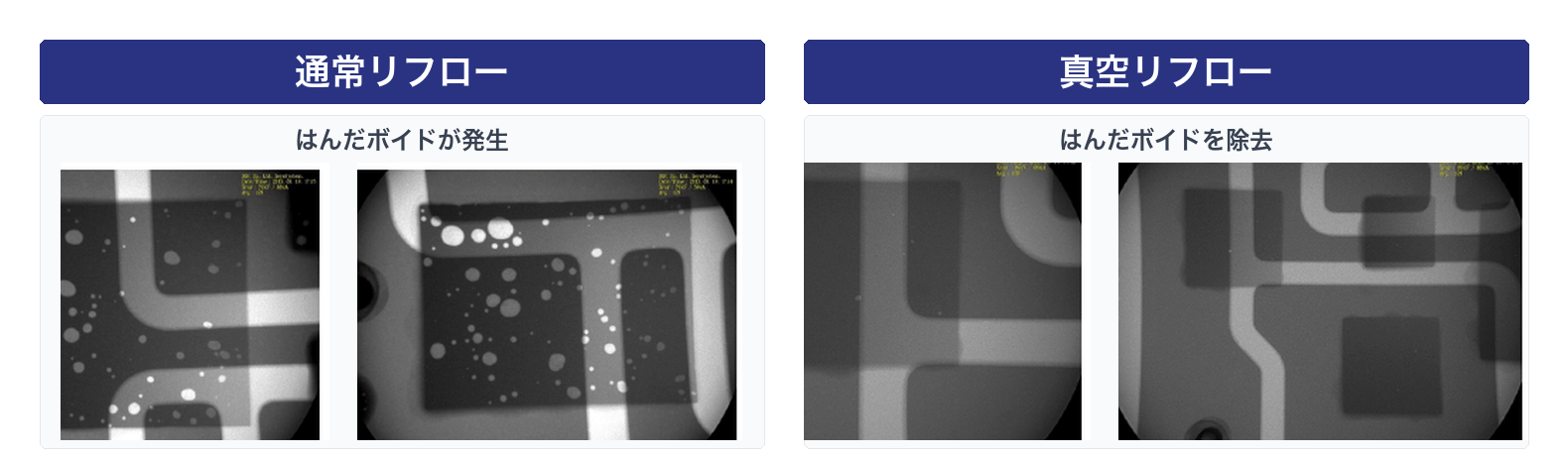
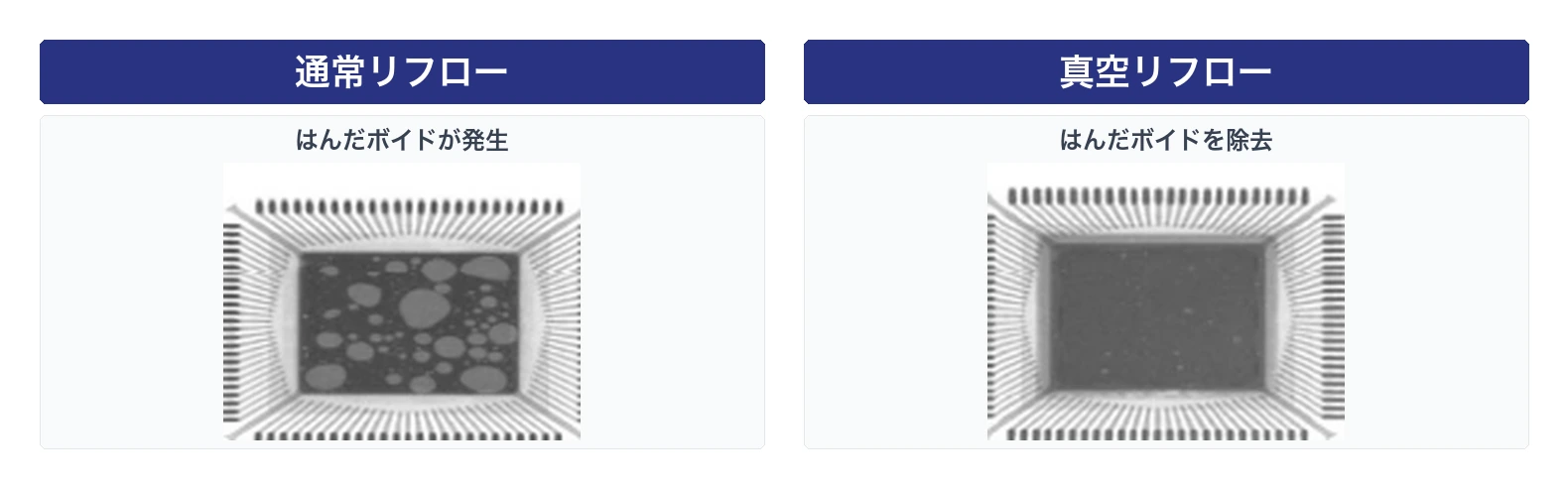
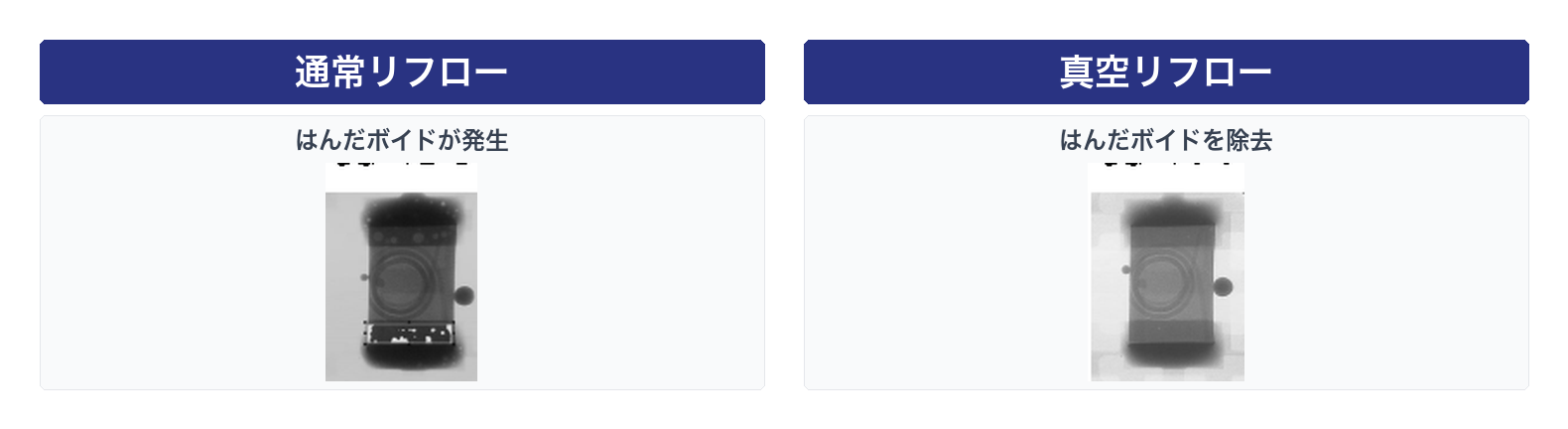
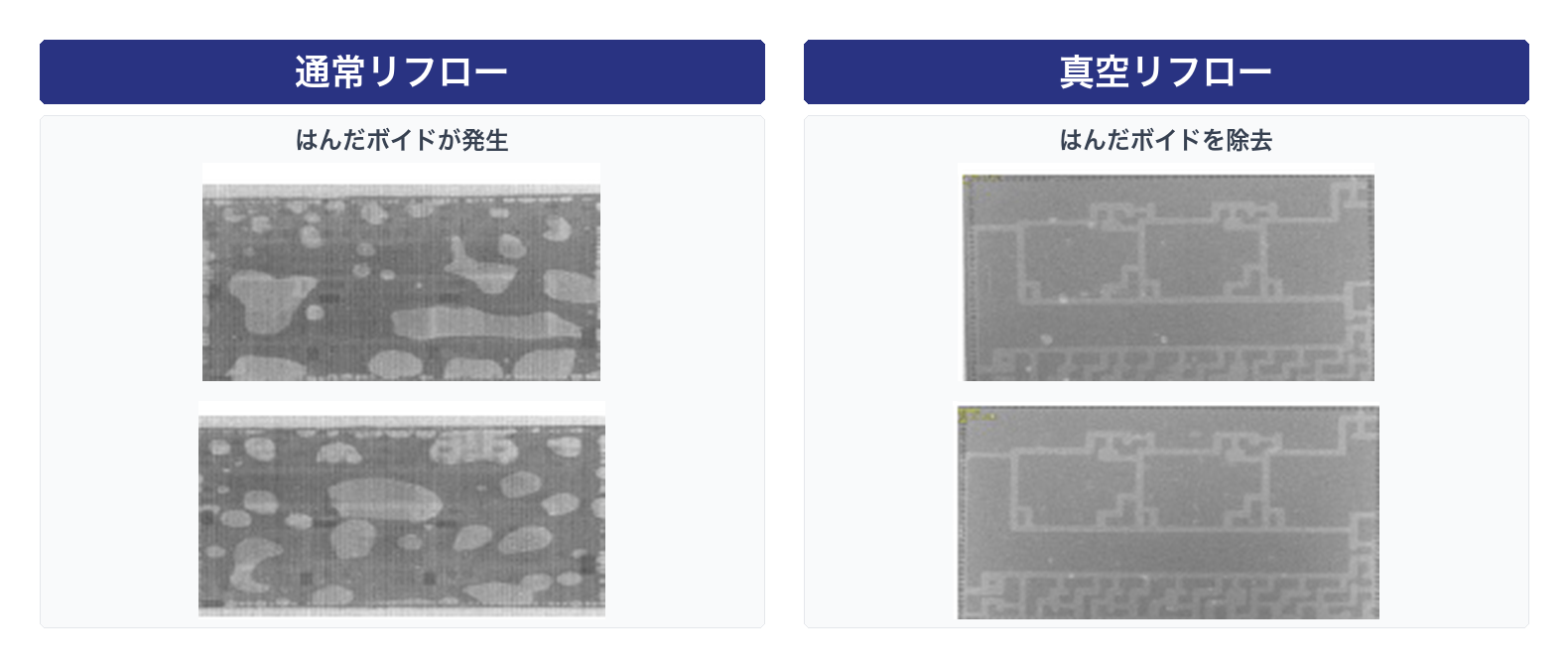
X-ray comparison
Without vacuum / with vacuum
X-ray shows solder voids left by conventional reflow are largely removed with vacuum reflow.
Joint quality and reliability change dramatically.
Continuous transport without temperature drop
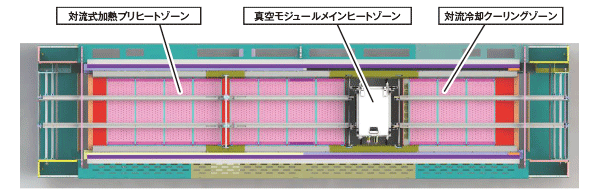
Uniform forced convection + in-line vacuum
Unlike batch vacuum ovens, boards move continuously from convection zones into the peak-temperature vacuum chamber.
No step-transfer temperature drop—profiles stay smooth.
Even heat sinks with fins or pins keep in-board temperature distribution. Choose roughly 10–16 zones to match workpiece size and thermal mass.
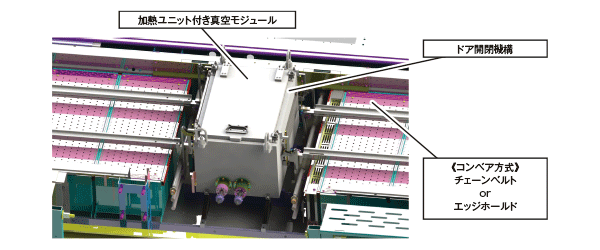
Proprietary heated vacuum chamber
Load → pump-down → main heat → vent → unload
The vacuum module sits in the solder-melt zone. Chamber IR heaters reach peak temperature and can shorten time above liquidus.
Holding high temperature also limits flux residue in the chamber.
Conveyor options: chain belt or edge hold. Mounter-process carriers can be loaded as-is.
Temperature profile
Vacuum at peak temperature
Tent, soak, and other profiles can be set freely.
Vacuum runs in the peak zone; pump-down rate, hold pressure, IR settings, and cycle time are tuned to the workpiece.
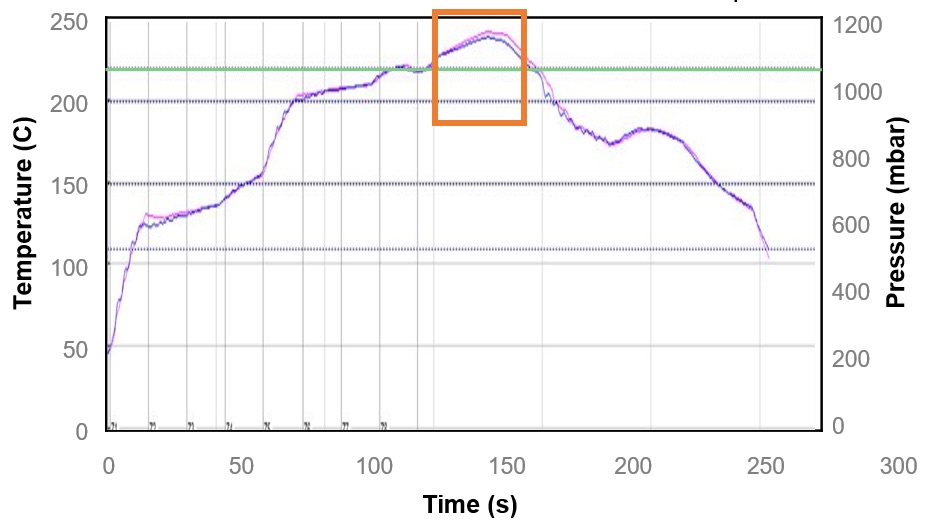
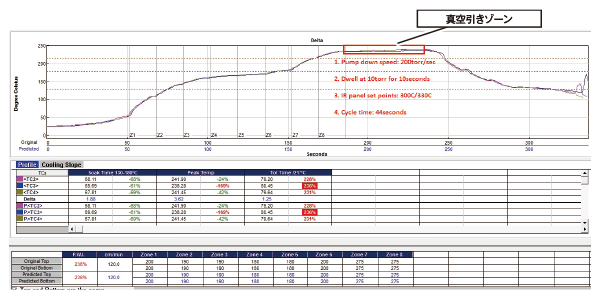
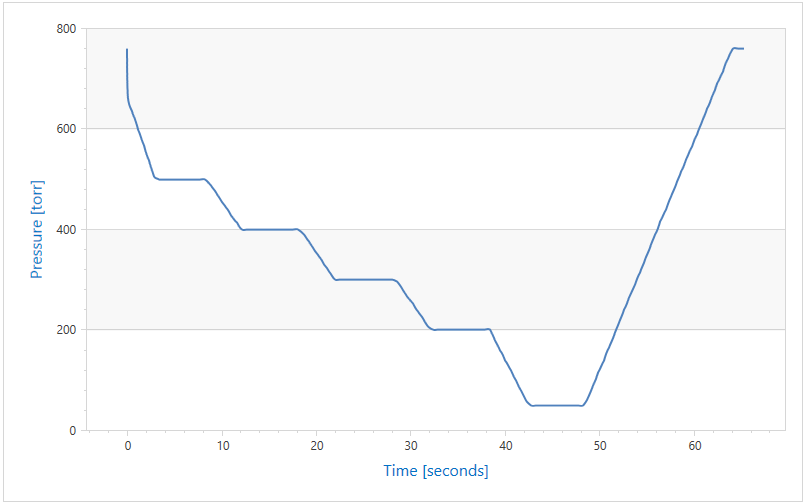
Multi-stage pressure reduction to limit spatter
Closed-loop vacuum pump control
Pressure reduction and refill are controlled in multiple steps—limiting solder and flux spatter common with single-step pull-down.
A staging conveyor shortens chamber transfer time; dual rails raise UPH. Low conveyor vibration helps prevent part shift while boards move in the oven.
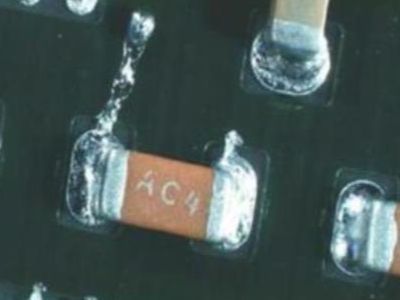
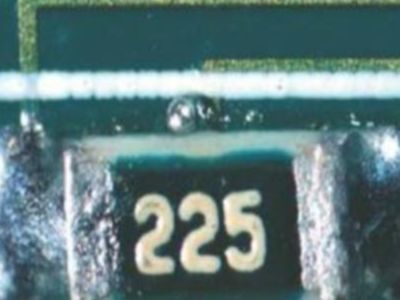
Spatter examples
Sudden single-step vacuum makes solder spatter and solder balls more likely. Multi-stage control suppresses this.
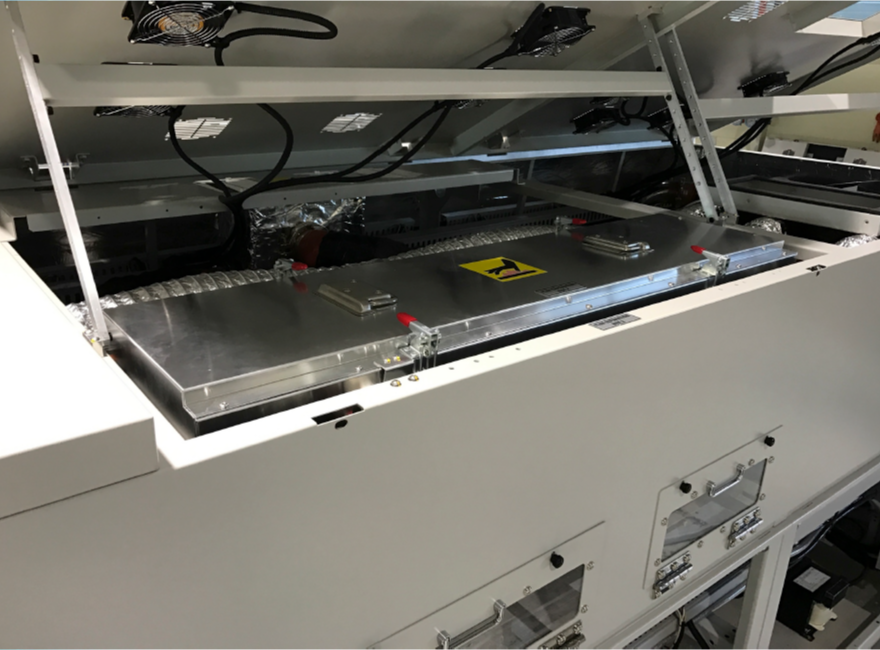
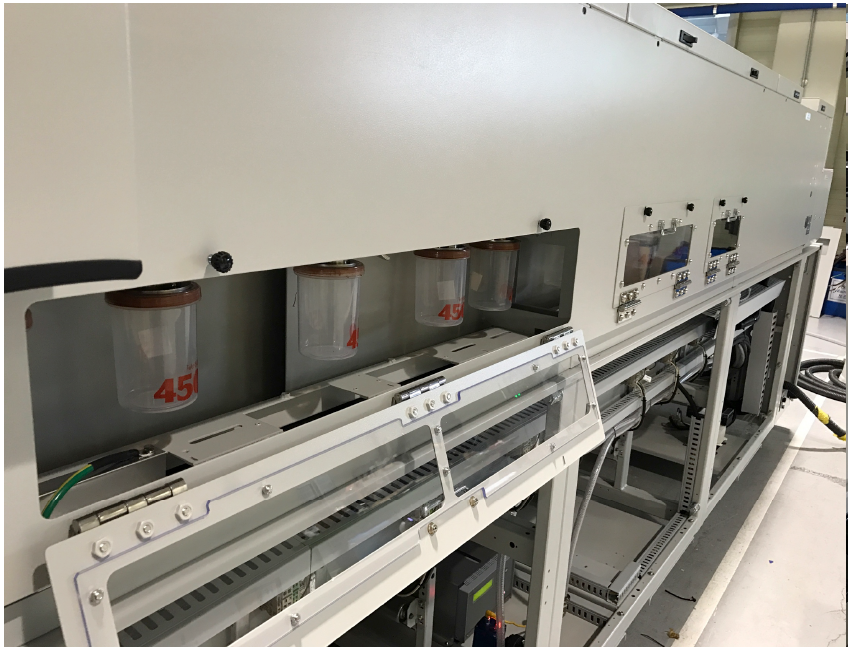
High-efficiency flux recovery
Equipped with a high-efficiency flux recovery unit proven in the field
N₂ atmosphere and process control
Oxygen ≤10 ppm; N₂ use ~50% lower than conventional
Closed-loop oxygen monitoring keeps the inert atmosphere stable.
ECD-linked oven Cpk reporting is standard—real-time process Cpk with no added cost.
Lineup
1800 / 1900 / 2000 Series
Overall length and zone count are proposed to match workpiece size and thermal mass.
In-line continuous transport balances high throughput with low cost of ownership.
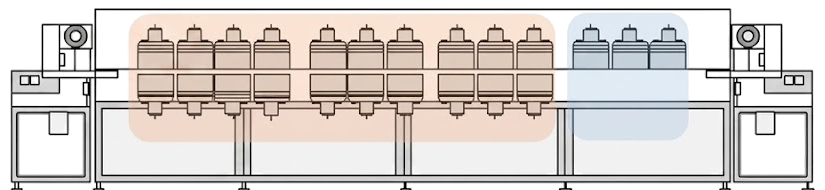
1800 Series
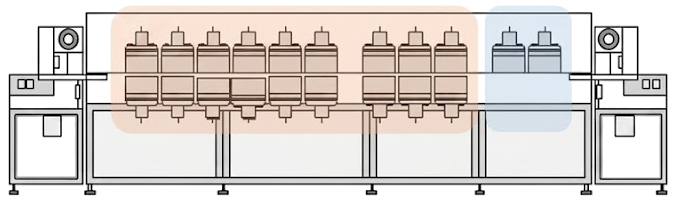
- Overall length
- 4.85 m
- Cooling zones
- 2 zones*
- Chamber size
- 400 mm□
- 1826MK5-VR Heating: 8 zones
- 1809MK5-VR Heating: 9 zones
1900 Series
- Overall length
- 5.89 m
- Cooling zones
- 3 zones*
- Chamber size
- 400 mm□
- 1936MK5-VR Heating: 10 zones
- 1913MK5-VR Heating: 13 zones
2000 Series
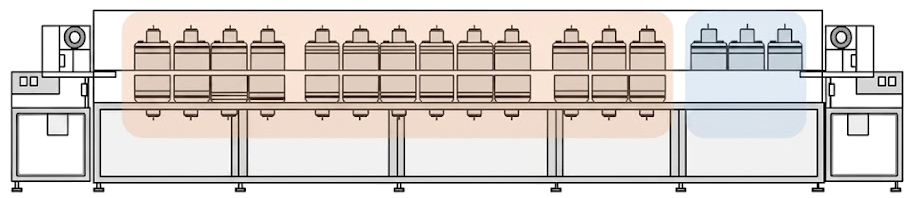
- Overall length
- 6.78 m
- Cooling zones
- 3 zones*
- Chamber size
- 450 mm□
- 2043MK5-VR Heating: 13 zones
*Lower cooling is optional.
Works well with
Reflow checker
Measure reflow temperature profiles to catch drift from set values early. Choose from slim units to modular RCX systems for your line.
Learn more →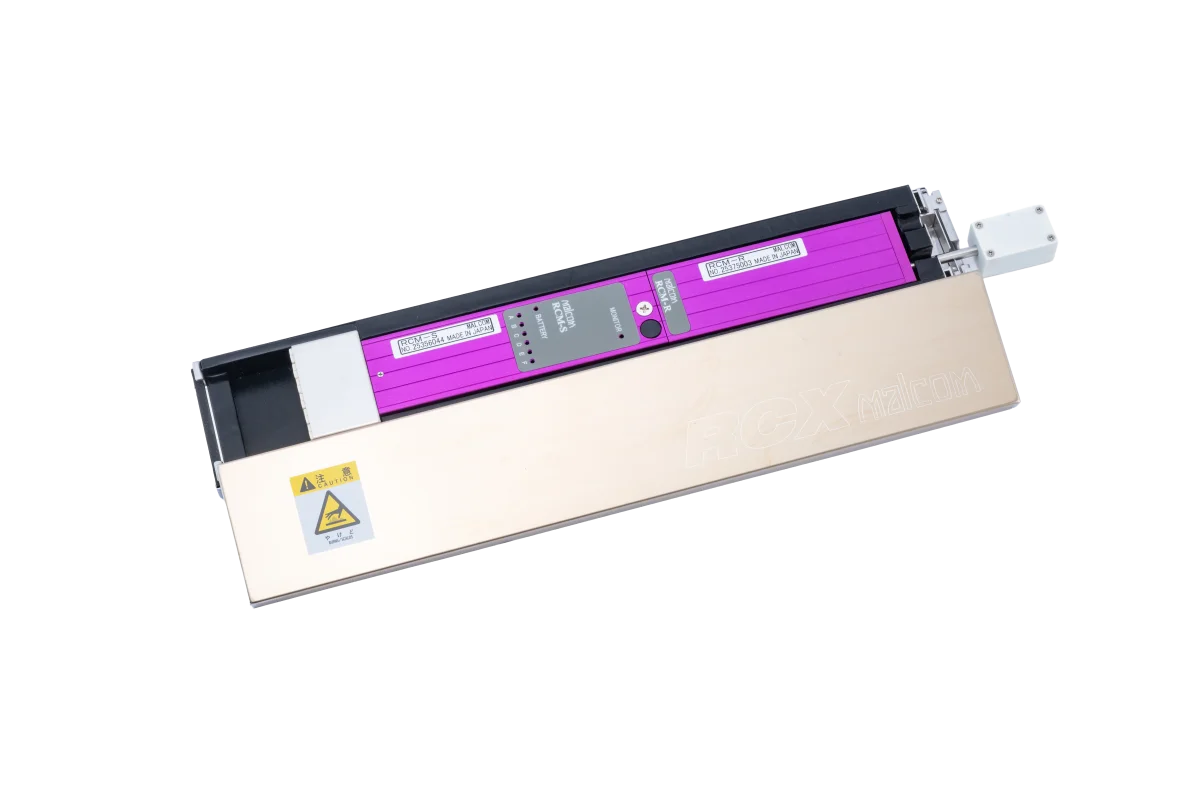
Specifications
- Manufacturer
- Heller Industries
- Series
- Vacuum reflow oven MK5 (N₂ vacuum)
- Heating method
- Forced convection + vacuum module in peak zone
- Solder type
- Paste / preform
- Conveyor
- Chain belt / edge hold
- Atmosphere
- N₂
- Bottom cooling is optional. Zone count is proposed to match the workpiece.
- Detailed specifications vary by configuration. Please contact us.
- Specifications and appearance are subject to change without notice for improvement.
Contact
Questions or consultation requests are welcome.